Choosing the Best Kiln-Dried Firewood for Your Home
When it comes to heating your home or enjoying a cozy fire, the type of firewood you choose can make all the difference. Kiln-dried firewood has gained popularity for its efficiency and convenience, but how do you select the best option for your needs? In this guide, we will explore the benefits of kiln-dried firewood, factors to consider when choosing it, and tips for storing and using it effectively.
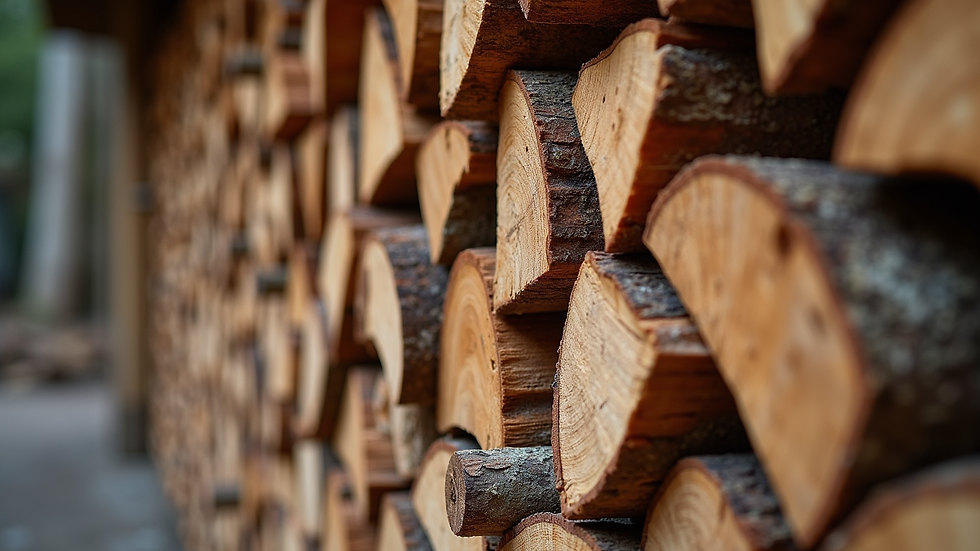
Understanding Kiln-Dried Firewood
Kiln-dried firewood is wood that has been dried in a controlled environment using a kiln. This process reduces the moisture content of the wood to around 20% or less, making it much more efficient for burning compared to seasoned firewood, which can have moisture levels of 30% or higher.
Benefits of Kiln-Dried Firewood
Higher Heat Output: Because of its low moisture content, kiln-dried firewood burns hotter and produces more heat. This means you can enjoy a warmer home with less wood.
Less Smoke and Creosote: Burning kiln-dried wood produces less smoke, which means less creosote buildup in your chimney. This can reduce the risk of chimney fires and make for a cleaner burning experience.
Convenience: Kiln-dried firewood is often sold in convenient sizes and is ready to burn right away. You won’t have to wait for it to season, making it a great option for last-minute fires.
Consistent Quality: The kiln-drying process ensures that the wood is of consistent quality, making it easier to predict how it will burn.
Factors to Consider When Choosing Kiln-Dried Firewood
When selecting kiln-dried firewood, there are several factors to keep in mind to ensure you get the best product for your needs.
Type of Wood
Different types of wood have different burning characteristics. Here are some common types of kiln-dried firewood:
Hardwoods: These include oak, hickory, and maple. Hardwoods generally burn longer and produce more heat, making them ideal for heating your home.
Softwoods: Pine, spruce, and fir are examples of softwoods. They ignite quickly and burn fast, making them great for kindling or for a quick fire.
Consider what you need the firewood for. If you want a long-lasting fire for heating, hardwoods are the way to go. For quick fires, softwoods may be more suitable.
Moisture Content
While kiln-dried firewood typically has a low moisture content, it’s still a good idea to check. Look for wood that has a moisture content of 20% or less. You can use a moisture meter to check this if you're purchasing from a local supplier.
Source and Quality
Not all kiln-dried firewood is created equal. Look for reputable suppliers who provide information about their drying process. Quality wood should be free from mold, pests, and excessive bark.
Packaging and Storage
Consider how the firewood is packaged. Some suppliers offer it in convenient bundles, while others may sell it by the cord. Ensure that the packaging protects the wood from moisture and pests.
Tips for Storing Kiln-Dried Firewood
Proper storage of your kiln-dried firewood is essential to maintain its quality. Here are some tips to keep in mind:
Keep it Dry: Store your firewood in a dry area, preferably off the ground. Use pallets or racks to elevate it and prevent moisture absorption from the soil.
Cover it Up: If your firewood is stored outdoors, cover it with a tarp or a dedicated firewood cover. Ensure that the cover allows for airflow to prevent moisture buildup.
Air Circulation: Stack the wood in a way that allows air to circulate. This helps keep the wood dry and ready for burning.
Avoid Stacking Too Tightly: While it’s important to stack the wood securely, avoid packing it too tightly. This can restrict airflow and lead to moisture retention.
Using Kiln-Dried Firewood Effectively
To get the most out of your kiln-dried firewood, consider the following tips for effective use:
Starting a Fire
Use Kindling: Start with small pieces of kindling or softwood to ignite the fire. Once the kindling is burning well, add larger pieces of kiln-dried hardwood.
Arrange Properly: Use a teepee or log cabin arrangement for your firewood. This allows for better airflow and helps the fire catch more easily.
Maintaining the Fire
Add Wood Gradually: Once your fire is established, add wood gradually to maintain the heat without smothering the flames.
Monitor the Fire: Keep an eye on the fire and adjust the airflow as needed. If you notice excessive smoke, you may need to adjust the wood placement.
Safety Considerations
Use a Fire Screen: Always use a fire screen to prevent sparks from escaping into your home.
Check the Chimney: Regularly inspect and clean your chimney to prevent creosote buildup, especially if you burn a lot of wood.
Have a Fire Extinguisher: Keep a fire extinguisher nearby in case of emergencies.
Conclusion
Choosing the best kiln-dried firewood for your home can significantly enhance your heating experience and enjoyment of a cozy fire. By considering the type of wood, moisture content, and quality, as well as storing and using it correctly, you can ensure that your firewood provides warmth and comfort throughout the colder months.
Take the time to find a reputable supplier and invest in quality kiln-dried firewood. Your home will thank you for it!
Comments