Essential Tips for Maintaining Your Firewood Supply
Firewood is not just a source of warmth; it’s a vital part of many homes, especially in colder climates. Whether you rely on it for heating your home, cooking, or simply enjoying a cozy fire, maintaining a steady supply of firewood is essential. In this blog post, we will explore practical tips to help you manage your firewood supply effectively, ensuring you have enough wood for all your needs.
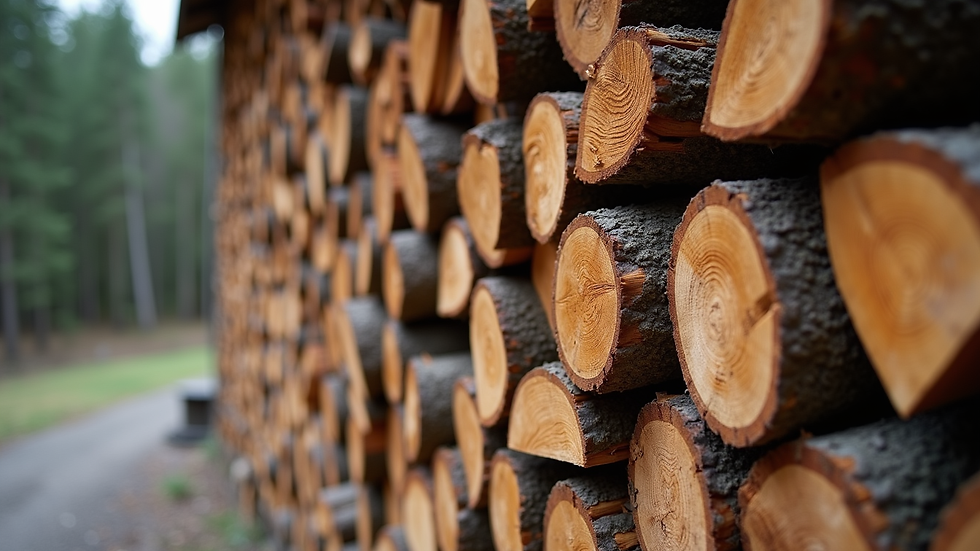
Understanding the Importance of Firewood Maintenance
Before diving into the tips, it’s crucial to understand why maintaining your firewood supply is important. A well-managed firewood supply can:
Ensure Consistent Heating: Having enough dry firewood means you won’t run out during the coldest months.
Improve Efficiency: Properly seasoned wood burns hotter and cleaner, reducing smoke and creosote buildup in your chimney.
Save Money: Buying firewood in bulk and maintaining it can be more cost-effective than purchasing it in smaller quantities.
Choosing the Right Firewood
Not all firewood is created equal. Here are some factors to consider when selecting firewood:
Types of Firewood
Hardwoods: These include oak, hickory, and maple. They burn longer and produce more heat, making them ideal for heating.
Softwoods: Pine and spruce are examples. They ignite quickly and are great for kindling but burn faster and produce more creosote.
Seasoning Your Firewood
Seasoning is the process of drying out firewood to reduce its moisture content. Here’s how to do it effectively:
Cut and Split: Cut your wood into manageable lengths and split it to increase the surface area for drying.
Stack Properly: Stack your firewood in a way that allows air to circulate. Use a firewood rack or pallets to keep it off the ground.
Cover the Top: Protect the top of your stack from rain and snow, but leave the sides open for airflow.
Storing Your Firewood
Proper storage is key to maintaining your firewood supply. Here are some tips:
Location
Choose a Dry Area: Store your firewood in a location that is dry and receives good airflow. Avoid placing it directly on the ground to prevent moisture absorption.
Distance from Home: Keep your firewood at least 30 feet away from your home to reduce the risk of pests and fire hazards.
Covering Your Firewood
Use Tarps or Covers: If you live in a wet climate, consider using a tarp to cover your firewood. Ensure the sides are open for ventilation.
Avoid Plastic: Plastic covers can trap moisture, leading to mold and rot.
Monitoring Your Firewood Supply
Keeping track of your firewood supply is essential for ensuring you never run out. Here are some strategies:
Inventory Management
Keep a Log: Maintain a simple log of how much firewood you have and how much you use each week. This will help you plan for future needs.
Visual Checks: Regularly check your firewood stack to assess how much you have left and whether it’s drying properly.
Planning Ahead
Seasonal Preparation: Aim to have enough firewood seasoned and ready for winter by late summer or early fall. This gives it ample time to dry out.
Buying in Bulk: Consider purchasing firewood in bulk during the off-season when prices may be lower.
Dealing with Pests
Pests can be a significant issue when it comes to firewood. Here’s how to manage them:
Inspection
Check for Infestations: Regularly inspect your firewood for signs of pests, such as holes or sawdust.
Quarantine New Wood: If you bring in new firewood, keep it separate from your existing supply for a few weeks to ensure it’s pest-free.
Treatment
Heat Treatment: If you suspect your firewood has pests, you can heat it in a hot environment (like a sauna) to kill any insects.
Natural Repellents: Consider using natural repellents like diatomaceous earth around your firewood stack to deter pests.
Using Your Firewood Efficiently
Once you have a good supply of firewood, using it efficiently is key to maximizing its benefits. Here are some tips:
Building a Fire
Start with Kindling: Use small, dry twigs or commercial fire starters to ignite your firewood.
Layering Technique: Stack your firewood in a teepee or log cabin style to allow for good airflow and efficient burning.
Maintaining Your Fireplace or Wood Stove
Regular Cleaning: Clean your fireplace or wood stove regularly to prevent creosote buildup, which can lead to chimney fires.
Use a Chimney Cap: Installing a chimney cap can help keep rain out and prevent animals from nesting in your chimney.
Conclusion
Maintaining your firewood supply is a straightforward process that requires attention and care. By choosing the right type of wood, storing it properly, monitoring your supply, and using it efficiently, you can ensure that you always have a reliable source of heat and comfort. Remember to plan ahead and keep an eye on pests to protect your firewood investment. With these tips, you can enjoy the warmth and ambiance of a fire all season long.
Take action today by assessing your current firewood supply and making any necessary adjustments to ensure you’re prepared for the colder months ahead. Happy burning!
Comments